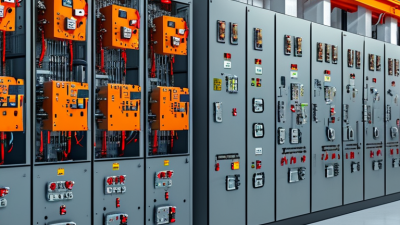
Why Is Electrical Switchgear Important for Global Buyers?
Electrical Switchgear is often treated as a technical purchasing item. For global buyers, it is much more than that. It controls, protects, and isolates electrical circuits during normal operation and faults. A suitable system can prevent equipment damage, reduce downtime, and protect maintenance teams near energized panels.
As Francesco Starace, former CEO of Enel, put it, “The future is electric.” That future needs dependable infrastructure. Electrical Switchgear supports factories, data centers, hospitals, renewable-energy sites, and transport networks. Its value becomes visible when a short circuit occurs, a transformer fails, or a storm disrupts the grid. The right breaker should respond quickly. The enclosure should withstand its environment. The protection settings must match the real network.
Details matter.
Global buyers should examine rated voltage, short-circuit withstand, insulation performance, ingress protection, and temperature limits. They should also request type-test evidence, factory inspection records, and clear maintenance instructions. IEC standards may guide procurement, but regional requirements can still differ. A product accepted in one market may need additional verification elsewhere.
No switchgear is perfectly protected from poor installation or weak maintenance. That uncomfortable point deserves attention. A low purchase price can hide expensive spare parts, delayed commissioning, or limited technical support. Buyers should assess the supplier’s field experience, documentation quality, delivery capability, and after-sales response. Electrical Switchgear is not simply a cabinet filled with components. It is a long-term safety decision, and the best choice balances compliance, reliability, serviceability, and actual operating conditions.
What Is Electrical Switchgear and How Does It Work?
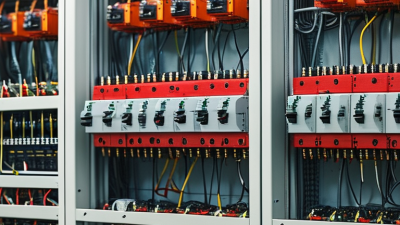
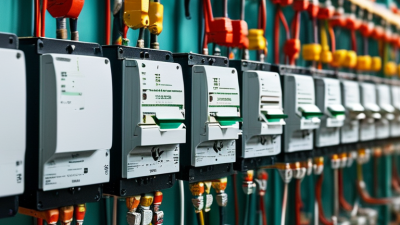
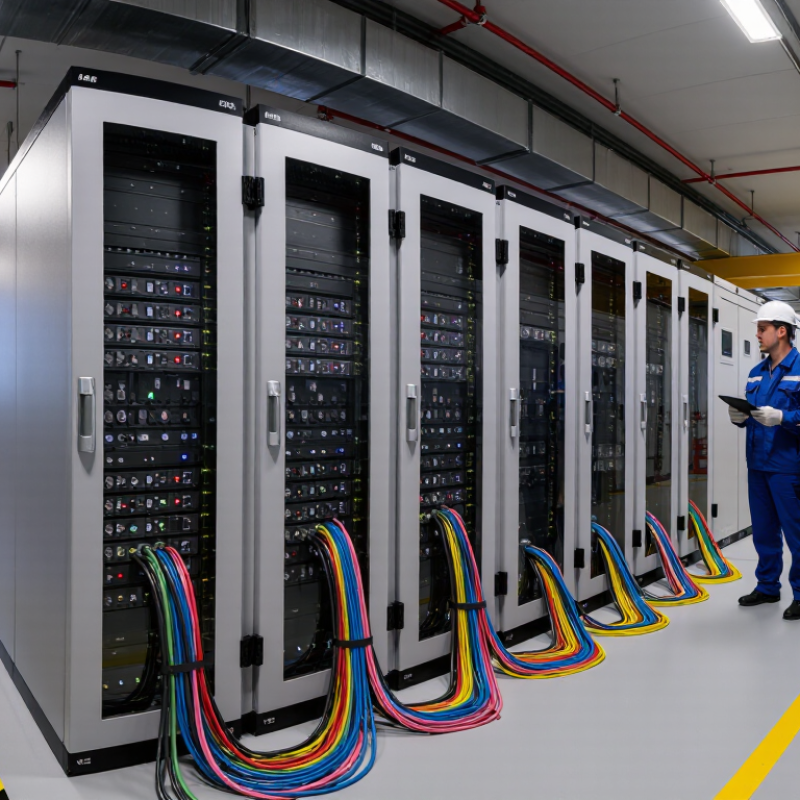
Electrical switchgear is an engineered assembly that controls, protects, and isolates electrical circuits. It may contain circuit breakers, disconnectors, fuses, relays, busbars, and measuring devices. These parts work together inside a metal enclosure. The enclosure helps protect people from live components, dust, and accidental contact.
How does it work? During normal operation, current flows through busbars and outgoing feeders. Sensors and relays watch for abnormal conditions, such as overloads, short circuits, or earth faults. When a dangerous condition appears, the relay sends a trip signal to the circuit breaker. The breaker opens its contacts and interrupts the current. A disconnector then creates a visible isolation point for maintenance. This sequence happens quickly, but timing and coordination matter greatly. A poorly selected setting can interrupt healthy equipment or fail to clear a fault. That is where field testing and careful engineering become essential.
Tips: Global buyers should confirm voltage, frequency, fault rating, enclosure protection, and installation conditions. Ask for routine test records, wiring diagrams, and clear maintenance instructions. Check whether spare parts and technical support are realistically available. Do not judge quality from a polished enclosure alone. Cable access, heat management, and labeling often reveal practical workmanship. Specifications can also be misunderstood when local standards differ. A qualified engineer should review the final design before ordering.
What Roles Does Switchgear Play in Electrical Power Systems?
Why Is Electrical Switchgear Important for Global Buyers?
Switchgear controls, protects, and isolates electrical equipment inside power systems.
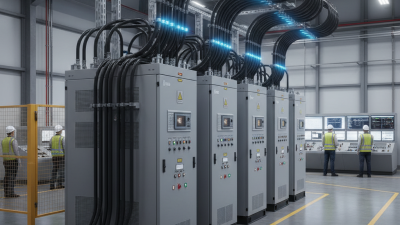
It manages current from generators, transformers, batteries, and renewable sources. When a fault occurs, circuit breakers interrupt the path within milliseconds. This limits damage to cables, busbars, and connected machinery. Operators can also isolate one feeder while other circuits remain energized. That continuity matters in factories, hospitals, ports, and data facilities.
The IEA’s Electricity 2024 report expects global electricity demand to grow by about 4% annually through 2026.
More demand increases pressure on distribution networks. Meanwhile, IRENA’s Renewable Capacity Statistics 2025 recorded 585 gigawatts of new renewable capacity in 2024. These changing sources create fluctuating voltage, reverse power flows, and complex protection requirements. Switchgear therefore supports grid stability through relays, sectionalizing, metering, and coordinated protection settings.
Small details decide reliability.
A medium-voltage panel needs suitable insulation, fault-current ratings, clearances, and tested interlocks. Indoor equipment may require different enclosure protection from coastal installations. Maintenance access also affects real operating safety. A compact design can save space, but cramped cable compartments may slow inspection.
Switchgear is not a magic shield.
A copied specification can fail under local humidity, temperature, or short-circuit conditions. Global buyers should verify applicable IEC standards, utility rules, type-test evidence, and after-sales technical support. The uncomfortable point is simple: the cheapest panel may cost more when one poorly coordinated relay interrupts an entire production line.
How Does Switchgear Improve Safety and System Reliability?
Electrical switchgear is the control point between incoming power and critical equipment. For global buyers, its value appears during faults, maintenance, and abnormal operating conditions. Protective breakers detect excessive current and disconnect damaged circuits quickly. This limits heat, equipment damage, and fire risks. A visible isolation gap also helps technicians confirm that a circuit is safely separated. Small details matter.
During commissioning, experienced teams test trip settings, insulation resistance, grounding, interlocks, and alarm signals. For example, a correctly adjusted relay can isolate one faulty feeder while keeping nearby production lines energized. That selective action improves system reliability and reduces unnecessary downtime. However, protection settings must match the transformer, cable size, and expected load. Generic settings can create hidden risks.
Reliability also depends on the installation environment. Dust, humidity, vibration, and salt air can weaken connections and insulation over time. Buyers should check enclosure ratings, temperature limits, spare-part access, and maintenance procedures. Ask for verified test records, clear wiring diagrams, and trained service support. Paper specifications are not enough. A rushed inspection remains a weak point. Field teams often discover loose terminals or poorly labeled cables during routine checks. These issues seem minor, but they can delay fault response and complicate safe maintenance.
What Should Global Buyers Consider When Choosing Switchgear?
Why Is Electrical Switchgear Important for Global Buyers?
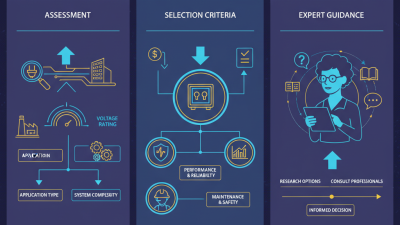
Global buyers should evaluate switchgear beyond its purchase price.
The correct choice depends on voltage, frequency, fault levels, and installation conditions. A unit designed for one grid may perform poorly elsewhere. Check local electrical codes and accepted testing standards before requesting quotations.
Enclosure protection matters
in dusty factories, coastal sites, and outdoor substations. Ask for the correct IP rating, temperature range, corrosion protection, and altitude allowance. Internal clearances also require careful review. Do not assume similar-looking products offer equal safety. Verified type-test reports, routine-test records, and traceable component data strengthen technical confidence.
Documentation can prevent expensive delays.
Request wiring diagrams, protection settings, maintenance instructions, spare-parts lists, and clear delivery terms. Confirm whether local technicians can inspect and service the equipment. A low price can hide training, transport, or replacement costs. It happens. Compare total ownership cost, not only the invoice.
Buyers should also examine supplier quality controls and factory inspection options.
Independent inspection may reveal labeling errors, weak connections, or incomplete accessories. Those details seem minor until commissioning stops. I would also leave room for doubt: specifications are sometimes copied between projects without checking site conditions. A careful review with a qualified engineer can expose these assumptions before production begins.
Which Standards and Technologies Shape the Switchgear Market?
Why Is Electrical Switchgear Important for Global Buyers?
Electrical switchgear protects people, cables, transformers, and industrial equipment during faults. Its importance is increasing as electricity demand expands. The IEA’s Electricity 2024 report expects global electricity demand to grow by about 3.4% annually through 2026. Meanwhile, the IEA’s Electricity Grids and Secure Energy Transitions report says annual grid investment must rise from roughly $300 billion to $600 billion by 2030. More power requires stronger interruption, isolation, and monitoring.
Standards shape whether equipment performs safely across borders. IEC 61439 covers low-voltage assemblies, including temperature rise, short-circuit withstand, and verification duties. IEC 62271 addresses high-voltage switchgear and controlgear. North American projects often reference IEEE C37 or UL 891 requirements. Buyers should request type-test evidence, protection settings, enclosure ratings, and installation conditions. Certificates alone are not enough. Field details matter. A dusty substation needs different enclosure protection than a clean indoor panel. Vacuum interrupters, air-insulated designs, and gas-insulated systems offer different maintenance and environmental trade-offs. Digital protection and IEC 61850 communication can improve fault visibility, but they also introduce configuration and cybersecurity risks. That assumption is easy to miss. No standard removes every field failure. Experienced buyers compare test scope, service access, spare-part plans, and local engineering support before accepting a quotation.